
Clare Hall Alumna publishes book on podcasting as a research method
We are pleased to share that Clare Hall alumna and Life Member Simone Eringfeld has published a new book, Podcasting as a Research Method: A Practical Guide (2026, Policy Press), offering a pioneering exploration of podcasting as a qualitative research method.
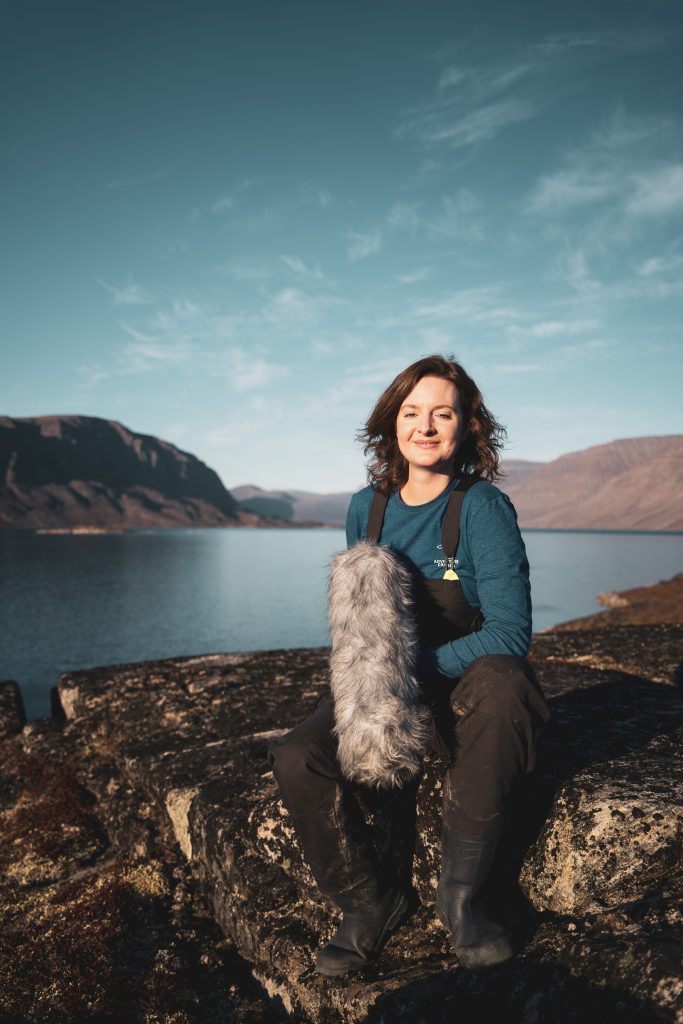
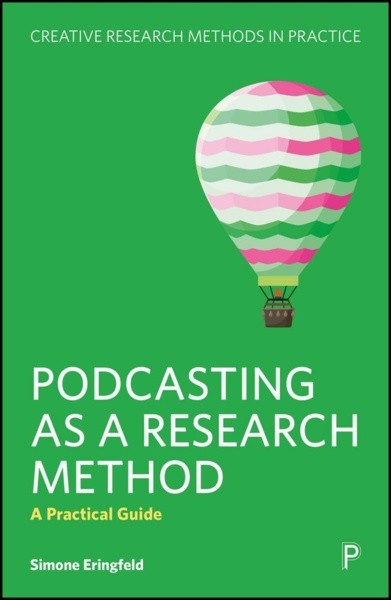
The book examines podcasting as a powerful tool for data collection and knowledge production, demonstrating how sound can be used not only to communicate research, but also to generate knowledge and shape how research is conducted. Grounded in both theory and practice, it positions listening as an embodied and critical method of inquiry, opening new possibilities for collaboration, public engagement and knowledge production.
Drawing on her interdisciplinary work across geography, polar studies and creative practice, Simone introduces three approaches: podcasting as participatory action research, sonic elicitation, and podcast ethnography. The book offers practical guidance on designing research podcasts, reflects on the ethics of working with voice and sound, and connects podcasting to longer traditions of orality in research.
Written for researchers across the social sciences and humanities, the book argues that listening can be an embodied and critical method of inquiry – opening new possibilities for collaboration, public engagement and knowledge production. It is part of the Creative Research Methods in Practice series and was published on April 28th.
Simone is a researcher, artist, author and speaker from the Netherlands. She is currently pursuing a PhD in Polar Studies at the University of Cambridge as a Gates Cambridge Scholar. She previously completed her MPhil in Education, Globalisation and International Development at Clare Hall during the 2019–2020 academic year.
Her forthcoming podcast, Antarctica Calling (summer 2026), extends the ideas developed in the book. Created through ethnographic podcasting during Antarctic fieldwork, the series explores the relationship between Antarctic tourism and soundscapes. Through voices, ambient recordings and reflections from the field, it examines how sound shapes experiences of place in Antarctica.
Reflecting on the project, Eringfeld said:
“Podcasting invites us to think of research not only as something we write, but as something we listen to. With this book, I want to create more space within academia for sound-based scholarship, recognising voice, listening and sonic experience as valuable forms of knowledge production.”
Book link: https://policy.bristoluniversitypress.co.uk/podcasting-as-a-research-method
Gates interview link: https://www.gatescambridge.org/about/news/using-podcasting-as-a-research-method/
Antarctica Calling Podcast: https://www.simoneeringfeld.com/antarctica-calling.html