
Clare Hall researchers share new insights on brain stimulation and autism
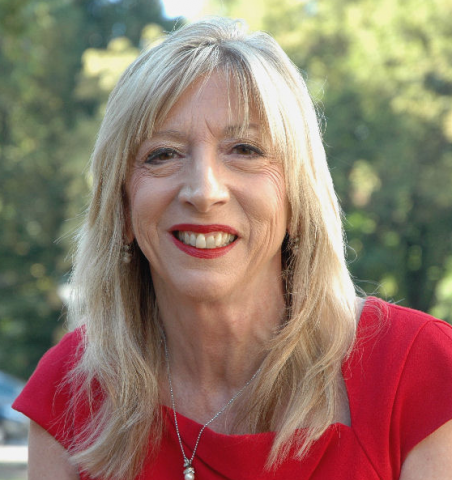
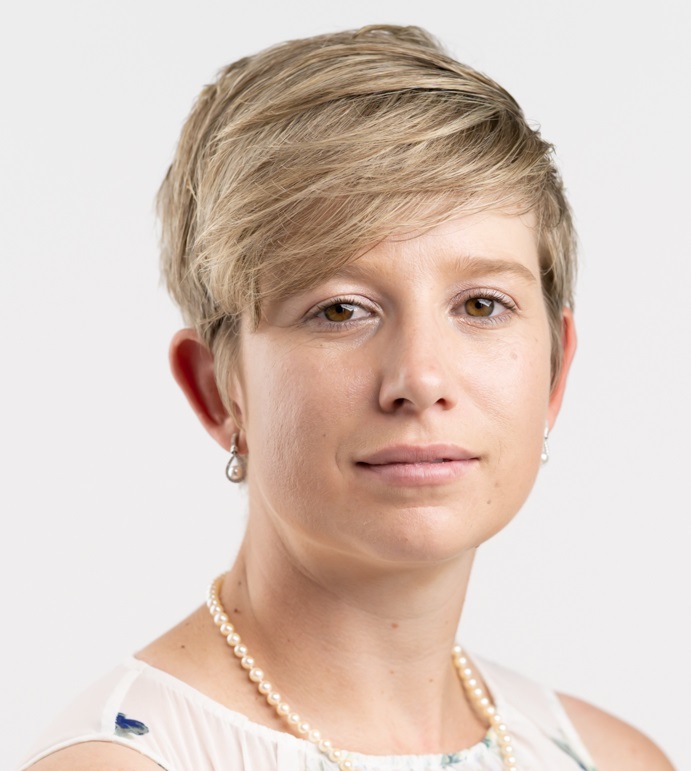
Clare Hall Fellow Professor Barbara Sahakian, postdoctoral researcher Dr Christelle Langley, and Life Member (former Visiting Fellow) Professor Qiang Luo have co-authored a new article for The Conversation exploring the potential of magnetic brain stimulation to support communication in autistic children.
In the article, the authors discuss a recent study investigating a non-invasive technique known as accelerated continuous theta burst stimulation (a-cTBS), which targets specific brain regions linked to social communication. The findings suggest that just a five-day course of treatment may lead to measurable improvements in language and social interaction skills in children with autism.
The research involved children aged between four and ten, and results indicated greater improvements in social and language abilities compared with a control group, with benefits still visible at follow-up. While some side effects were reported, these were generally mild to moderate.
Professor Sahakian, Dr Langley, and Professor Luo highlight that, although the results are promising, further research is needed before the technique could be widely adopted. They emphasise the importance of combining such approaches with existing behavioural therapies and ensuring careful evaluation of long-term effects.
The article situates this work within a broader effort to develop new, evidence-based interventions that can support autistic children in communicating more effectively and engaging with the world around them.
Their contribution reflects ongoing research at the intersection of neuroscience and mental health, demonstrating how innovative technologies may offer new possibilities for understanding and supporting neurodevelopmental conditions.
The full article can be read here: https://theconversation.com/a-five-day-course-of-magnetic-brain-stimulation-could-help-autistic-children-communicate-better-280623